



If your washer suddenly starts clunking, grinding, squealing, or banging, it’s telling you something’s wrong — usually an unbalanced load, worn drum bearings, a loose drainage pump, or an object trapped in the tub. Serenity Appliance Repair technicians work on front-load and top-load machines across 90+ brands, and most Wesley Chapel, FL homeowners get same-day service, so a noisy washer gets fixed before it turns into a far costlier repair.
What Should You Know Before Diagnosing Washer Noise?
The first step is simple: pay attention to when the noise actually happens. A washing machine making noise during the spin cycle points to a different problem than a bang during agitation, so before you touch a single dial, take a minute to notice the timing, the pitch, and how loud it gets. That one detail can save real diagnostic time once help arrives. Serenity’s technicians bring years of hands-on experience across dozens of brands, so when they walk through the door, they’re confirming a cause, not guessing at one.
Does the type of noise really matter?
Yes, and the difference matters more than most homeowners expect. A clunk usually points to something loose or shifting inside the drum. A squeal often traces back to a worn belt or motor bearing. A grinding sound tends to signal a failing bearing or something caught in the drum-to-motor connection. Pinpointing the pattern narrows down whether the issue involves the drum, the motor, or the suspension system — and that’s what keeps a repair visit fast instead of a guessing game.
Can any noise problem be fixed?
In most cases, yes. Skilled technicians can resolve washer noise issues regardless of the root cause, whether that means replacing a bearing, tightening a loose pump, or clearing an object from the tub. Because the diagnosis usually happens on the spot, most repairs wrap up in that same visit — no waiting days for a part to be identified, no second appointment just to confirm what’s wrong. For a household juggling laundry for a family, that turnaround is often the difference between a minor inconvenience and a week of trips to the laundromat.
How Do You Identify Different Washing Machine Sounds?
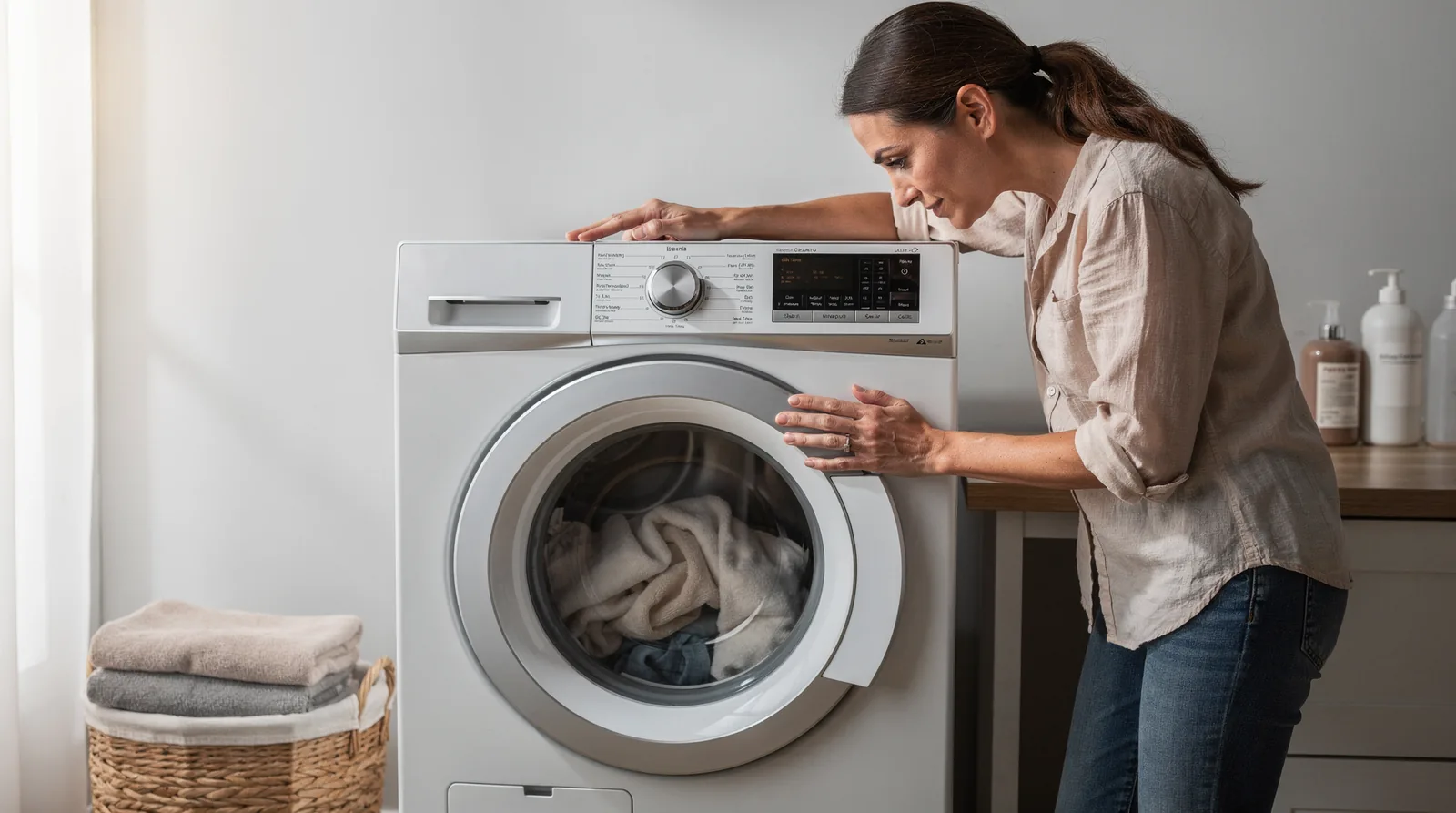
Distinct sounds point to distinct causes, and telling them apart starts with timing and pitch. A washing machine making noise during the switch from agitation to spin often produces a clunk — that’s typically just a normal mechanical shift, not a defect. A steady hum or whir during the spin cycle usually means the motor is doing exactly what it should: driving the drum up to speed. Here’s a quick way to sort the harmless from the concerning:
- Clunk during mode changes — normal, part of the transition between agitation and spin
- Steady hum or whir during spin — normal, the motor working as designed
- Persistent grinding — not normal, often a worn bearing or drum-motor connection
- High-pitched squealing — not normal, usually a worn belt or bearing
- Loud banging on spin — not normal, frequently an unbalanced load or a foreign object in the tub
Is a clunking noise during the cycle something to worry about?
Not usually. That clunk simply marks the transition between agitation and spin — a routine part of how the machine cycles through its stages, not a sign something’s failing.
What does a humming sound during spin mean?
A consistent hum during spin typically means the motor is doing its job, agitating or accelerating the drum as designed. Persistent grinding or squealing, by contrast, warrants a closer look — those sounds rarely resolve on their own.
For sounds that fall outside these normal patterns, same-day repair is available for a wide range of machine types and popular brands. Local technicians bring hands-on experience diagnosing both front-load and top-load washers with unusual noise complaints, and if your dryer or another appliance is acting up too, the same team can often handle that in one visit.
When Should You Call a Professional for Noise?
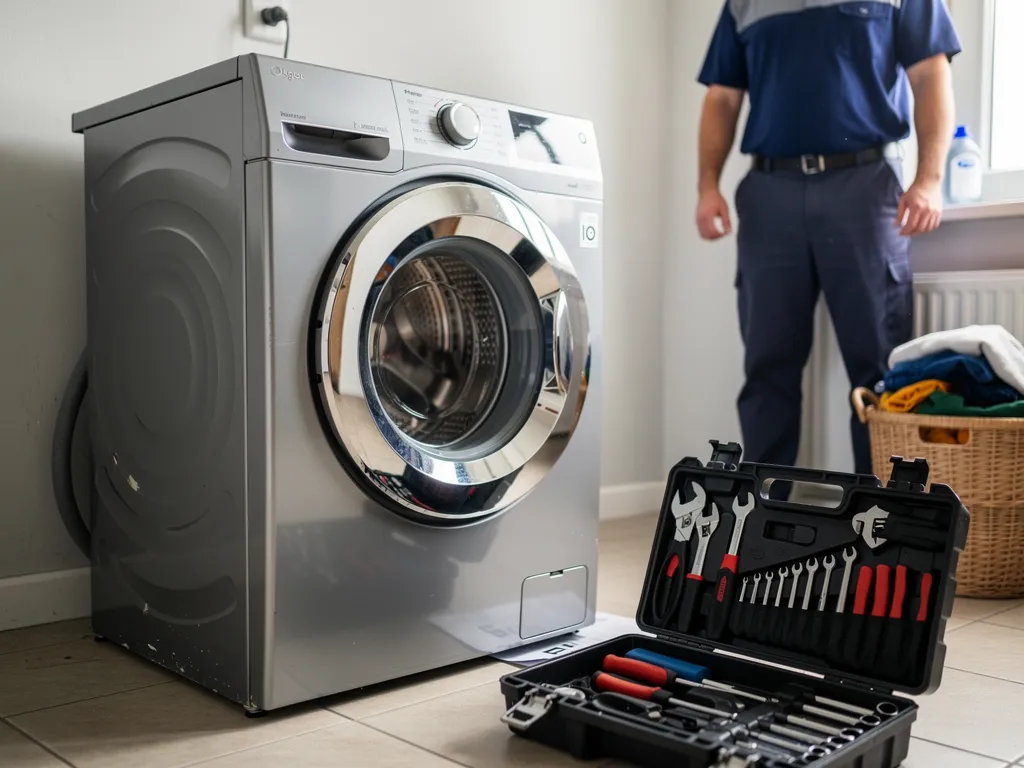
Persistent grinding, banging, or squealing signals a problem beyond routine maintenance. A washing machine making noise repeatedly, rather than occasionally, warrants a qualified technician’s attention. Delaying that call carries real risk — ignoring loud noises rarely makes them go away, and it often means a small, inexpensive fix turns into a major, expensive one.
Is it worth repairing a noisy washer myself?
Sometimes. Minor issues, like redistributing an unbalanced load, can resolve the noise on their own. But persistent sounds often point to worn bearings, motor trouble, or drum damage that require professional diagnosis and the right tools to fix safely. Serenity’s technicians service more than 90 appliance brands, so homeowners never need to track down a specialist for one washer and a different one for another — one call covers it all.
What should Wesley Chapel homeowners do about ongoing noise?
If the noise keeps coming back, don’t wait for it to get worse. Here’s the practical path forward:
- Schedule a diagnostic visit rather than letting the sound continue cycle after cycle
- Book service online or by phone for prompt, same-day assistance in most cases
- Expect fair, professional, ethical service focused on getting it right the first time
Between Florida’s humidity, heavy laundry loads, and machines that run hard week after week, Wesley Chapel washers see real wear and tear — which is exactly why a fast, accurate diagnosis matters so much here.
Ready to Quiet Down Your Washer?
If your washer’s noise doesn’t match the normal patterns above, don’t wait for it to get louder or more frequent. Reach out to Serenity Appliance Repair to schedule a diagnostic visit — most Wesley Chapel appointments are same-day, and our technicians work on 90+ brands, so you get an accurate answer and, often, a same-visit fix.
Frequently Asked Questions
Why is my washing machine making a loud noise on the spin cycle?
A loud noise during spin is most often caused by an unbalanced load, worn drum bearings, or a loose drainage pump. If redistributing the laundry doesn’t stop it, the noise usually points to a mechanical issue that needs a professional look.
Why does my washing machine bang during the spin cycle?
Banging on spin is typically a sign of an unbalanced load or, less often, a foreign object caught between the tub and the drum. If it happens even with a balanced, moderate load, it’s worth having a technician check the suspension and drum for wear.
What causes a washing machine to squeal?
Squealing usually traces back to a worn drive belt or a failing motor bearing. These parts wear down with regular use over time, and a technician can typically identify and replace the specific part causing the sound.
Why is my washer making a grinding sound?
A grinding sound generally means a bearing is wearing out or something is interfering with the connection between the drum and the motor. This isn’t a noise to ignore, since it tends to worsen and can lead to more extensive drum or motor damage.
How can I troubleshoot washing machine noise myself before calling for repair?
Start by noting exactly when the noise happens — during fill, agitation, or spin — and whether it’s a clunk, hum, squeal, or grind. Try redistributing the load if it’s a banging sound. If the noise persists after that, or if it’s a squeal or grind, it’s time to schedule a professional diagnostic visit.
Conclusion
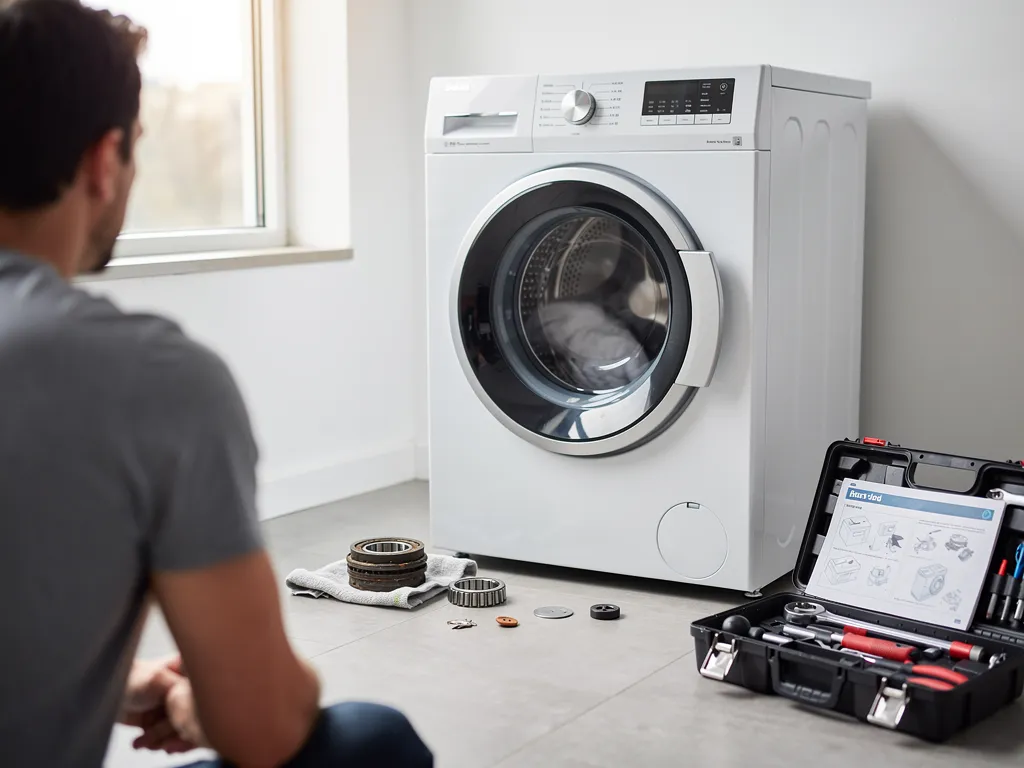
Understanding what’s behind a washing machine’s noise puts homeowners in a much stronger position — you’ll know when a clunk is nothing to worry about and when a grinding sound means it’s time to call for help. Whether the cause turns out to be worn drum bearings, a foreign object, or general mechanical wear, getting an accurate diagnosis early is what protects both your machine and your budget. Catch it early, address it decisively, and your laundry routine — and your appliance — stay running the way they should.
